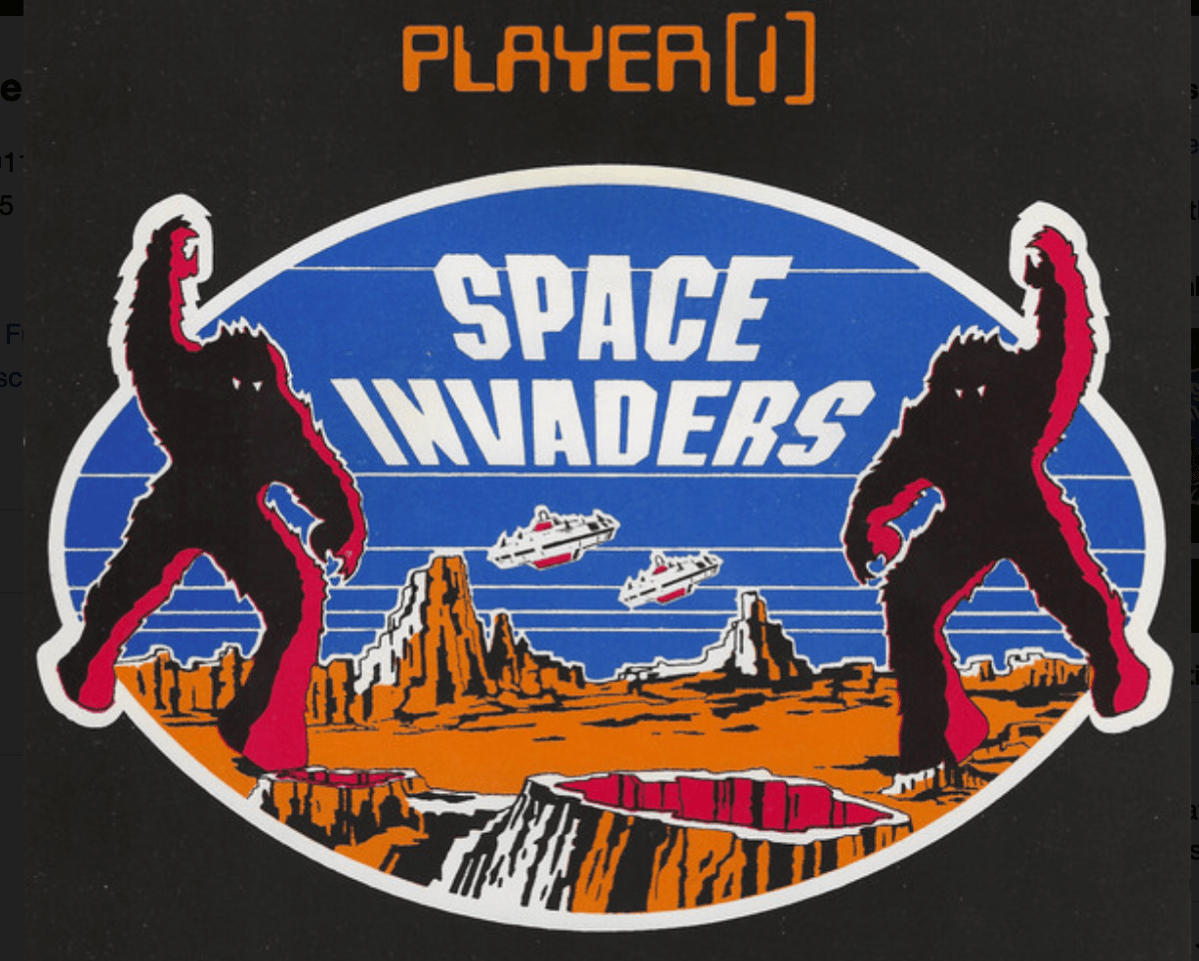
Japanese game company Taito released Space Invaders in 1978, and within a year it was a global phenomenon. The Warners Music office in Sydney had its own console, which prompted a wacky idea: a song cashing in on the game’s popularity.
‘We just sat down and started getting things happening…..It was mainly bass.’
Bruce Brown
Warner Brothers took the project to renowned Sydney producers Russell Dunlop and Bruce Brown, who went by the acronym BAD (Brown and Dunlop) and worked with Mental As Anything, Jon English, AC/DC, Midnight Oil, John Denver and Dragon. They’d never actually played the game, though.
‘We actually went out with a machine before we did the record and recorded all the sound effects of it and had a little fiddle around with it,’ says Brown. ‘But no, we weren’t players.’
Player One
Brown and Dunlop decided to ditch their usual pseudonym in favour of something more video games-inspired: ‘We called it Player One because that was the first thing that came up on the Atari video game: Player One.
‘We just sat down and started getting things happening. Russell wrote the lyrics and we came up with the riffs and got the various drum things. It was mainly bass.’
Despite Brown and Dunlop’s lack of actual video gaming experience, when ‘Space Invaders’ hit Australian radio in late 1979 it proved popular straight away. It sold more than 120,000 copies and reached #3 on the national charts.
The record company was keen to cash in on the single’s success, so Dunlop and Brown rushed to put together an album. They recorded an LP in less than two weeks, but it never received a US release.
‘What we did was we put this thing together which was a little bit groovy and a little bit beyond the 14-year-olds,’ says Brown. ‘Consequently, when they sent the album to the States for their approval, they said, “This is horrible; this is not the same as the original record.”’
‘Because that’s what they wanted, an album full of the same type of thing. So we blew it there. It could have been our big money earner.’
‘Space Invaders’ didn’t disappear, though.
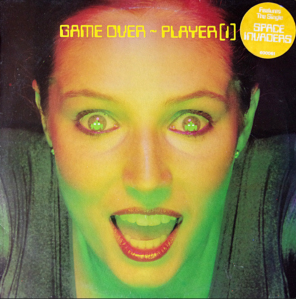
The 1980 front cover of Play One’s album Game Over which featured Space Invaders
The Golden Days of Chicago House
“It wasn’t about who you were or what you looked like…..It was strictly about the music and dancing.”
Jesse Saunders
Meanwhile in Chicago, clubs like The Warehouse and The Playground were becoming incredibly popular with the local dance music crowd. DJ’s like Frankie Knuckles and Jesse Saunders were playing everything from Italo disco to early hip hop.
‘People were there to dance. I wouldn’t even say they cared about the social aspect,’ says Saunders. ‘They were diehard dancers. From the time they got there till the time they left, if they sat down once for five minutes that would have been a lot.
‘That’s what was unique about that period too, everybody came to dance. It wasn’t about who you were or what you looked like, bottle service, drinking, it wasn’t about any of that. It was strictly about the music and dancing.’
On and On
One weekend in 1982, while rummaging in a record store, Saunders pulled a 12’ by Mach called On and On which had sampled the Space Invaders bass part. It was a stroke of luck.
‘I just love that ‘Space Invaders’ bass line, I had never heard ‘Space Invaders’ before,’ says Saunders. ‘For me, just that whole groove of it was incredible. So that’s what became my signature record whenever I played anywhere.’
Saunders, however, lost the record. Wondering how he might fill the gap in his set, he hit upon the idea of making his own record, and sampling that beloved bass line to underpin it.
In December 1983 Jesse went into the studio to master his own creation, a track he called ‘On and On’, a nod to the beloved original 12″ he’d lost.
He gave away copies to fellow DJs Frankie Knuckles and the Hot Mix Five, and the track proved to be a banger. More importantly, it was the first house record on vinyl, and is credited with helping to launch an entire genre of dance music.
Not bad for a bass line inspired by a video game.
If you enjoyed this story please consider sharing it with your friends. Sign up to the Sonic Archaeology blog for regular stories on music history (particularly those with an Australian connection). You can also follow the Sonic Archaeology social channels here so you never miss another post.
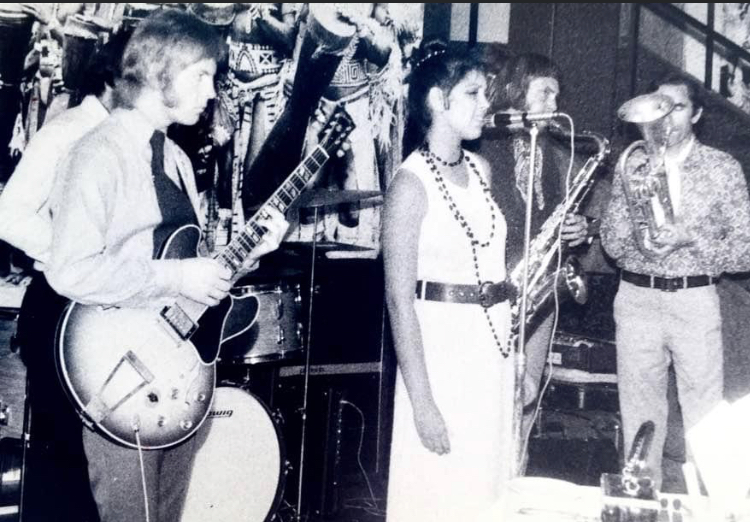
The In People were one of the hottest bands playing in Australia during the 1960s. While they issued only a handful of 45s, they were an in demand live act, consistently filling dancefloors at legendary Sydney night spots like Chequers, Romano’s and the Whiskey A Go Go.
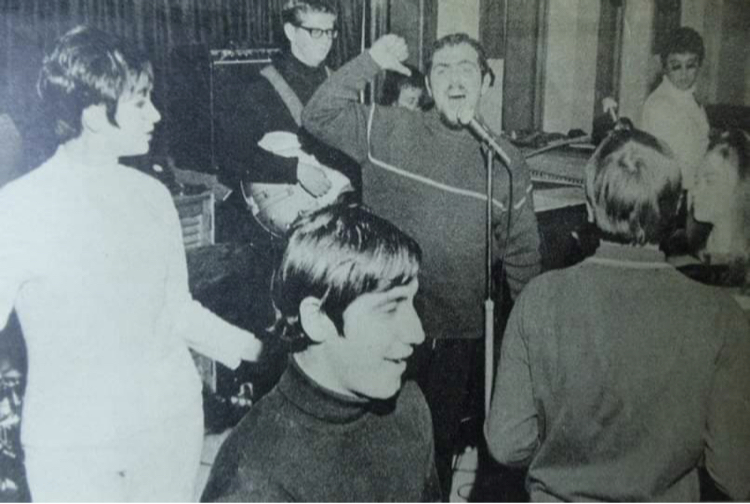
New Years Eve at Romano Au Go Go with the In People (Tony Gaha – Drums, John Blake – Bass, Peter Martin – Guitar, Tony Curby – Hammond, Sammy Gaha & Janice Slater – Vocals. Onstage guest vocalists are Lonnie Lee & Ray Brown). Picture courtesy of Janice Slater.
They backed and worked with the likes of Shirley Bassey, Lou Rawls, The Three Degrees, Trini Lopez, The Hollies, Billy Preston, The Toys, The Four Tops, Ricky May, Phil Silvers, Gene Barry, Bobby Day, George Chakiris, Sarah Vaughan, Lesley Gore, and Sammy Davis Jnr. In fact, after performing with The In People Sammy Davis Jnr once said, “man, these guyswould frighten most groups in the USA.”
It’s small wonder he was impressed, at various times the group featured many of the finest musicians playing in Sydney – Col Nolan, Peter Martin, Teddy Toi, Noel Quinlan, Bruce Johnstone, Chris Brown, and Harry Brus to name just a few who went on to greater fame.
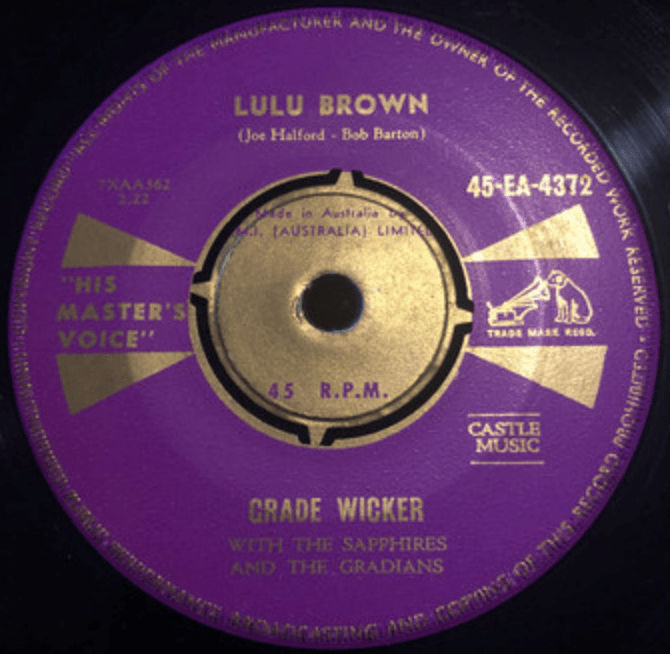
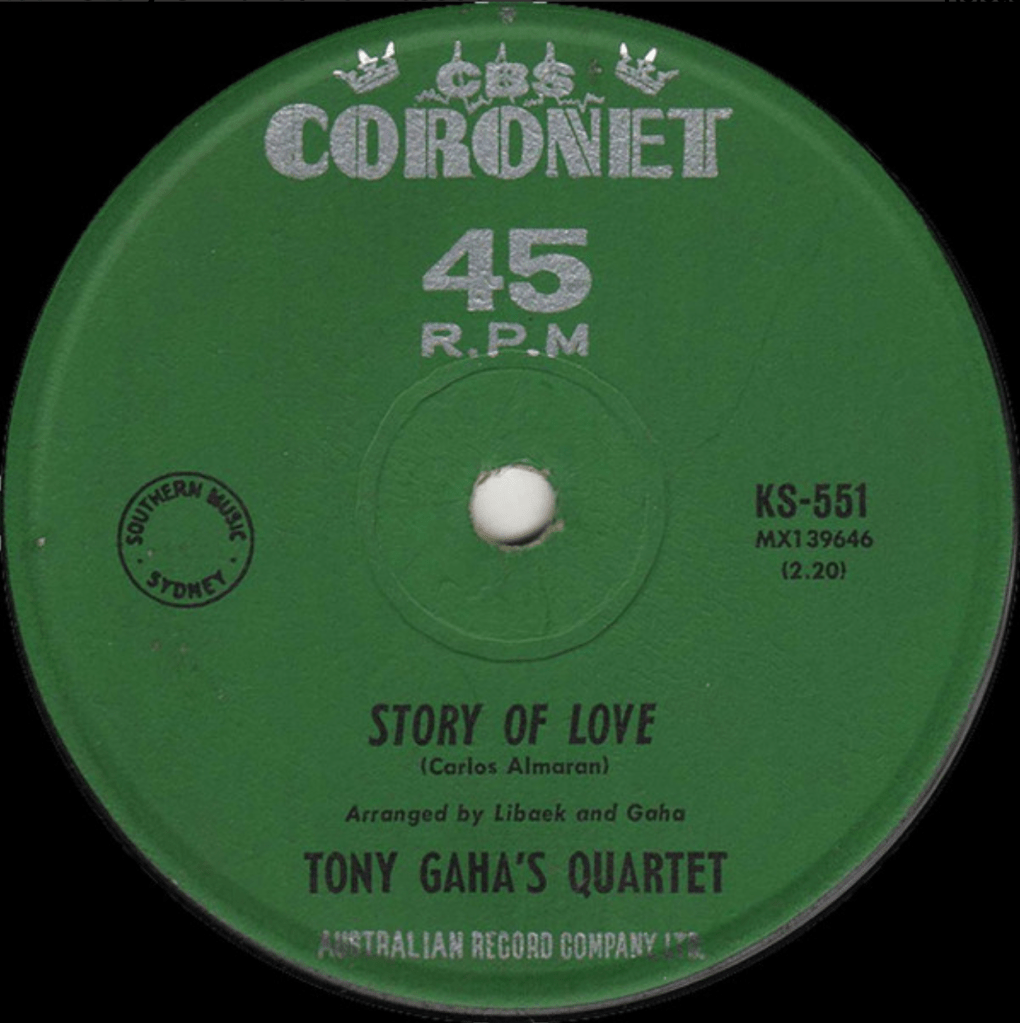
The In People formed around drummer and musical director Tony Gaha. Tony and his brother, vocalist, Little Sammy Gaha were already veterans of the Sydney live scene. In the late 1950s and early 60s Tony had played with Lonnie Lee’s band The Leemen and wrote and performed with vocalist Grade Wicker as The Gradians.
Grade Wicker and the Gradians – Lulu Brown (1960)
The Leemen – Johnny Guitar (1961)
Tony Gaha Quartet – Story Of Love (1962)
Both Gaha brothers were regulars on stages across the country as part of music promoter Lee Gordon’s Big Shows. In fact, Sammy was the only Australian act to be managed by Lee Gordon himself.
But Little Sammy wasn’t the only singer with the group. At various times, The In People featured a string of strong vocalists including Janice Slater, Julie Lewis, Evie Pikler, Terry Kaff, Lee Sanders, Peter Nelson and Ron Barry.
Janice Slater: Both sides of my family were very musical, they sang around the house and at the drop of a hat at family gatherings. My brother Billy was an exceptional Jazz vocalist who entered competitions. I believe he knew a lot of the locals in the Jazz scene, like Norm Erskine and Edwin Duff, and Jazz drummer Jimmy Shaw. My Great Grandfather, Henry James Carter was an amateur vaudevillian, he used the name of ‘Harry Russell’. His sons, my Grandfather (whom I never met) ‘Dutch’ Clarence Paul Carter and his young brother Siddie followed in his footsteps. Together they a did song and dance act. My own history is really entwined with the above. I had no intention of being a singer it was just something we all did every now and then but not in an obvious way.Tony [Gaha] had seen me on Bandstand’s Starflight International Competition where I came runner up to Sharon Black. He sent a telegram to to see if I’d be interested in singing with Ron Fabri’s quartet. A wonderful opportunity. Apparently I was to replace the fabulous Robyn Alvarez who was my favourite singer at the time on Bandstand. I was a complete novice and they were all very encouraging and helped me gain confidence as a performer.
Bandstand Starflight ’64 featuring Janice Slater
Romano Au Go Go Discotheque
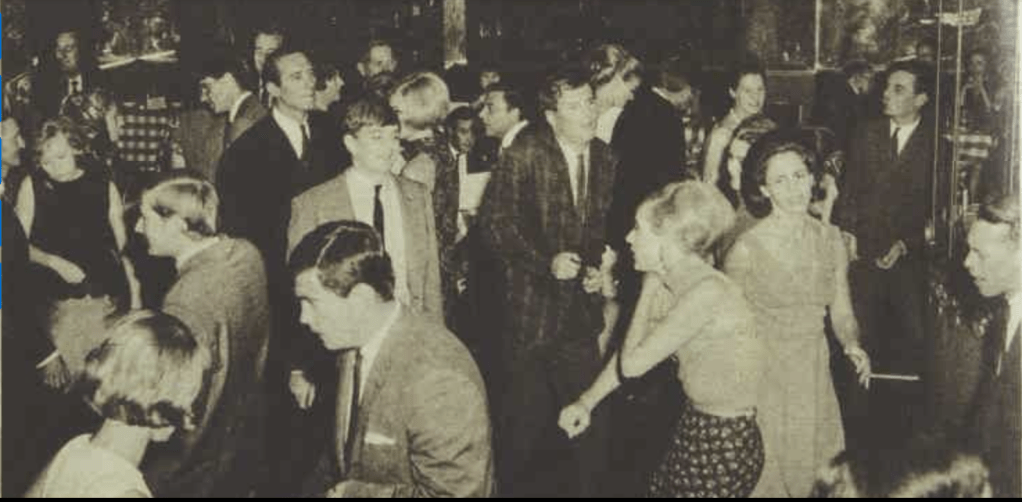
Discotheques originated in Paris in the early 1960s as venues where people could dance to records, as well as live bands, in a club atmosphere. Their popularity spread quickly and by late 1964 Australia’s first discotheque, The Gas Lash, had opened is Sydney. Romano’s restaurant, already an established Sydney culinary institution, recognised the burgeoning popularity of the discotheque scene, and got in on the action in 1965.
The dance floor at Romano Au Go Go in 1966
Tony Gaha: Bob Louis, owner of Romanos, and Roy Lister, a sharp English record producer, planned to open Romano’s as an up-market disco, Roy wanted a new sound for the room. Something unique in the pop music genre’.
In October 1965 Roy Lister told the Sydney Morning Herald, “most of the top restaurants and nightclubs overseas are becoming discotheques. It’s what people want and they’re getting it. People want to participate in the entertainment these days. We’re calling this place ‘Romano Au Go-go’ and we hope to attract the young jet set crowd.”
Tony Gaha: At the time both Janice [Slater] and I were with Ron Fabri’s quintette at the Canberra Rex Hotel in Macleay St [Kings] Cross, both looking for a different direction. So I approached three of the finest young jazz musicians in Sydney. Peter Martin was on guitar. Tony Curby played hammond organ/piano. He was a genius B3 Hammond virtuoso with two Leslie Speakers, one on each side. Dancers would stop to watch him play his solos. He was truly amazing and exciting. John Blake was there on bass, myself on the kit, and Janice out front. We nailed it and opened Romano Au Go Go with a bang on 6th November 1965. [Little] Sammy joined the group two weeks later and took it to another level.
Janice Slater: Sammy was the fabulous front man and like no-one else that I’ve worked with knew how to work the room and have an audience in the palm of his hand. He was also a comic genius.
Tony Gaha: That combination of jazz/crossover pop was, as far as I know, the first of its kind in Australia. Other great groups followed….and so began The In People story.”
The band quicky established a strong reputation with their innovative dancefloor friendly sound.
Janice Slater: Sammy, sang everything from Dobie Grey’s The In Crowd to Tony Joe White’s Polk Salad Annie. In fact, we sang The In Crowd as a duet. It was our signature tune. We also did Summertime, Hang on Sloopy, The House of the Rising Sun, Sunny, C.C Rider, Sally Go ’round the Roses. The band played Booker T & The MG’s Green Onions as it’s ‘play off’ song.
When Sydney’s Whisky A Go Go opened its doors in late 1966, In People were booked to play the first shows.
Janice Slater: We opened Whisky with Bobby Day of Rockin’ Robin fame…and followed by an Afro/American singer called Marnie Banks.”
Tony Gaha: At the Whisky, Sammy did his usual thing with audiences. He’d Jump down from the stage and start a Conga line around the Club. Patrons loved it. One night he took the Conga line out of the Whisky, crossed the road and came back with their crowd on the tail end. That’s what was so great about Sammy; he entertained, he was unpredictable.
Dinah Lee: What was great about going to the Whiskey A Go Go in the 1960’s was the excitement of the crowd dancing to the latest from The In People. This band was hot with Janice and Sammy out front and Go Go Dancers gyrating to their sound in Go Go Cages. This was the 60’s at its best, a place to have fun and dance to a great band. The Shadows, Cliff Richard’s band were touring Australia I took them to the Whisky. This was a place where many overseas touring artists came to unwind and listen to a great band. I even brought Jimmy Page, guitarist from Led Zeppelin and the Yardbirds, to hear the In People play and couldn’t get him off the dance floor (unusual for a musician). The In People – great memories, great times and great music.
Big Daddy’s Discotheque (1966)
It was another discotheque, this time in Adelaide, that led to In People’s first appearance on vinyl. Big Daddy’s opened in June 1966 and was located in the basement of Claridge Arcade in Gawler Place. The dancefloor held 300 and the place opened at midday so crowds could come in and buy a sandwich or coffee and dance during their lunch break. In People were one of the first acts to play there, completing a month long residency during September 1966.
Tony Gaha: Big Daddy’s was a great gig. Packed every night. The great, late, Bob Francis of radio station 5AD was MC and Disk Jockey in our breaks.
Janice Slater: It was a big barn of a place, reminiscent of Surf City but with Go Go girls along with a huge dance area.
While there, the band wrote and recorded four tracks to promote the venue.
Tony Gaha: If memory serves me correct, the track was recorded at Max Pepper’s studios. Sammy wrote the lyrics and the In People collaborated on the melody and structure. It was written in an hour and recorded in about the same time. It was recorded as a promo for the club and given away.
The In People with Little Sammy – Big Daddy’s Discotheque
The In People with Janice Slater – Big Daddy’s Discotheque
In winter 1967, the group secured a residency at Kellers, a public lounge at the Thredbo Alpine Hotel. The lounge featured a sunken dance floor and seated 250 patrons. The group’s lineup shifted for these shows with Col Nolan replacing Tony Curby on Hammond organ, Teddy Toi replacing John Blake on bass and Lee Sanders handling vocals.
Tony Gaha – Drums, Little Sammy Gaha – Vocals, Peter Martin – Guitar, Col Nolan – Hammond
Lee Sanders – Vocals (left)
The In People playing in Thredbo in 1967
While gigging back in Sydney at the Whisky A Go Go in the same year the group ran into soulful New Zealand singer Peter Nelson who was touring with his band The Castaways. It was a fortuitous meeting that would lead to collaboration down the track.
In 1967 Little Sammy cut a crisps promo single called Rhythm & Crunch. The backing band on this record aren’t the In People though, rather a group put together by Sven Libaek for the session. The track was originally cut in the UK and it appears Sammy and Libaek had been asked to cut a version for the local market. The 45 was issued on EMI’s custom service label.
Little Sammy with Sven Libaek’s Group – Rhythm & Crunch
Towards the end of 1967 In People decided to try their luck overseas. The war in Vietnam and subsequent influx of soldiers had an enormous impact on the live music scene across many parts of Asia. There was a seemingly inexhaustible demand for live bands. Hong Kong was no exception and that was the next stop for the group.
China Mail Happening (1968)
Inside Hong Kong’s prestigious Hilton Hotel was a venue known as The Den and In People scored the gig as house band.
Tony Gaha: The Den was the place to be seen. It had international recognition as one of the best night spots on the world. It was frequented by the cream of local identities as well as overseas stars like Michael Caine, then Senator Richard Nixon, William Holden, John Russell (The Lawman TV series) Bianca Perez More Macias (later Bianca Jagger), Claudia Cardinale, Bobby Darin and so many more.
Their successful appearances at The Den opened other doors and the In People were offered a slot on the local television station.
Tony Gaha: We had our own variety show on Sunday nights called ‘Tonight with The In People’. It aired on Monday nights with Chinese voice overdubs which made it a real trip for us to watch. It ran for 3 seasons.
Little Sammy considered trying his luck in the U.K in 1968 and the group began looking around for a replacement lead singer. They recalled Peter Nelson who they had met previously in Sydney and got in touch. Nelson grabbed the opportunity and for a few months performed regularly with the group at The Den.
During this period the In People made at least two recordings which were released on a 7” single in Hong Kong. The A side features a ballad style pop tune called Levis Will Follow You. It’s basically an advertisement for the clothing company who also happened to be a sponsor of their TV show. The flip side is a fantastic raw soul number reminiscent of the Archie Bell and the Drells’ Tighten Up with Nelson riffing over the top about the news offering in the famous English language newspaper based in Hong Kong. Interestingly, Levi Strauss were also the sponsors of the local Battle of the Bands contest and copies of this single I’ve seen have Battle of the Bands written on the label. It’s unclear whether the group entered the contest that year and these recordings were part of that, or perhaps the group helped promote the contest via their TV show and these cuts were taken from there.
The In People – Levi’s Will Follow You
The In People – China Mail Happening 1968
The group fractured in late 1968. Little Sammy moved to Europe where he joined Blue Beard, a band who perhaps most famously played Mick and Bianca Jagger’s wedding in 1970. Sammy also enjoyed a string of hit singles in France throughout the following decade. Tony Gaha went to Paris and then the U.S.A with rhythm and blues group Tavares as music director and drummer (just before future Aerosmith member Joey Kramer). Inspired by bands like Chicago who were featuring big horn sections, Tony Gaha then returned to Australia ready to put together a new incarnation of In People.
Can’t Get You Out Of My Mind (1969)
Back in Sydney, In People quickly secured a 3 month residency at the famous Chequers night spot in the summer of 1968/69.
Tony Gaha:From Romano’s to the Whisky and then to Chequers, the group virtually stayed the same. For Chequers, the In People was augmented to a full orchestra to back overseas artists, with all young great players, who blew most of the acts away. As did Janice’s voice.
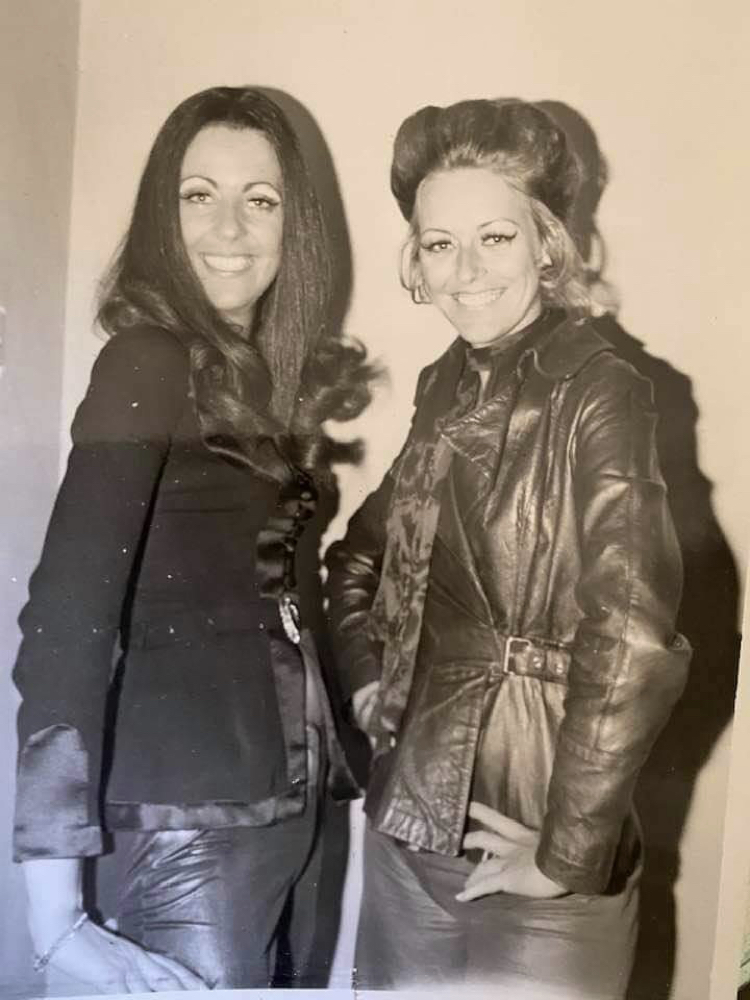
In People vocalists Janice Slater and Julie Lewis at Chequers in the late 1960s. Photo courtesy of Janice Slater.
Janice Slater: Tony brought in the top horn players like Bruce Johnstone on baritone sax and Nevil Blanchet on trumpet. He always booked the best available musicians.
Janice Slater: Once, out of the blue, I was asked to take over for the second show to open for Lou Rawls at Chequers. I’d come in to watch his first show. I was having some time off. After the show Tony [Gaha] asked me into the dressing room to meet Lou and then at some stage he asked if I would replace the opening act! I nearly fell over! Lou apparently didn’t feel the artist was right for his show. I wasn’t dressed in my stage clothes but after some cajoling went on for the second show. Nonetheless. It was pretty crazy! Then I continued doing the season with Lou.”
The group met Paul Anka during his tour down under in 1969 and this resulted in their third single, Can’t Get You Out Of My Mind/One Foot In The Door.
The In People – Can’t Get You Off My Mind
Tony Gaha: The only recording we made of any significance was the Paul Anka songs we recorded in 1969. Paul produced the record and Jimmy Webb did the arrangements. I sang ‘Cant Get You out of My Mind’ and Ron Barry sang ‘One Foot in the Door’.
The In People – Keep One Foot In The Door
The single was issued in November 1969 but failed to set the charts alight. Tragedy struck less than a month later when drummer Brian Payne died.
Tony Gaha: Brian was a great drummer with incredible chops and a wonderful future.
As the 1960s rolled into the 70s, Tony Gaha brought in a talented young singer named Evie Pikler to work with the band.
Evie Pikler: I grew up in a musical family. My father was musical director at the nightclub called Spellsons. He would bring home international artists like Helen Humes and Nat King Cole and the love of music, especially jazz, was planted in me very early. I first sang on board a ship going to Europe in 1968 and then auditioned for a television show in Paris. This led to regular TV, radio work and a tour to Vichy. I returned to Australia in 1969 and auditioned for New Faces and began my winning streak on both Showcase and New Faces. I believe that’s when Tony Gaha spotted me and invited me to join the In People when Janice took a break. The lineup when I joined the band was Tony Gaha, band leader and drummer, Robin Workman on keyboard, Chris Brown on guitar, Les Young on bass, Bill Fleming on drums, Lee Hutchings on saxophone, and Nevil Blanchet on trumpet.
Later, in October 1970, the band embarked on a tour of Papua New Guinea.
Evie Pikler: We travelled through PNG and people seemed to like our music. Chris (Brown) was our resident osteopath/healer who treated us and in one place. David Miller who was a photographer and film maker was filming us where there was a Japanese airplane that has been shot down. The guys pretented to be kamikaze pilots and David directed me to flee the plane and the guys would chase me into the jungle. I caught my shoulder on some jagged metal on the door frame and although I was bleeding I finished the shot. People were worried that it may get infected because of the conditions and humidity but Chris came to the rescue. He had vitamin E cream which he put on and gave to me. I still have the scar as a reminder. As they say we earn our stripes! New Guinea was a different place in 1970 and I remember the In People being taken into the Highlands and going to a village in Madang. My thoughts were ‘this is how human beings are supposed to look’. I remember Bill Fleming and David collecting quality artefacts to bring back to Australia with the intention of reselling them.
The In People with Evie Pikler performing in PNG. Images courtesy of Evie Pikler
Tony Gaha: Then [in December 1970] Janice left for the U.K. That was a sad moment for us. I, along with many others, including Brian Henderson, thought she was a world class act. We thought hey, why not give it a shot?
Mister John & House Of Merivale – (1970/71)
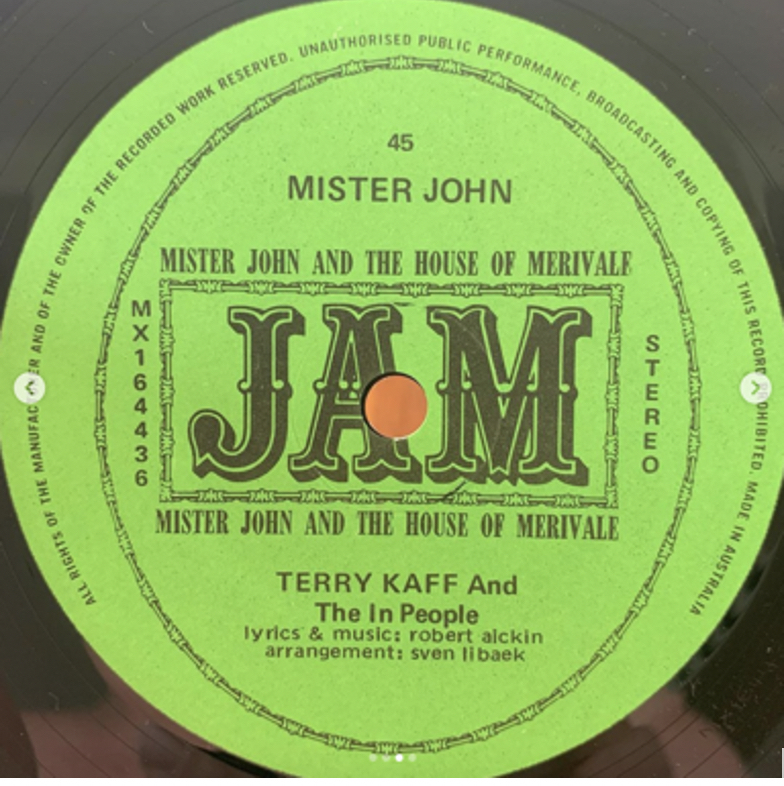
The final In People recording was a single issued around 1970/71 to promote the legendary fashion boutique House of Merivale run by husband and wife team Merivale and John Hemmes. Presumably it appeared around the time they opened their six-level concept store on Pitt St in 1970. Merivale was a Mecca for fashionistas in the 60s and 70s and was the first place to sell mini-skirts in Australia.
The single was arranged by Sven Libaek and features Terry Kaff on vocals. Kaff was one of the most recorded singers in the country in the 60s and 70s, performing on over 900 sessions.
Terry Kaff: I joined the In People in 1970 after being the original singer with the ‘Mike Perjanik Complex’ at ‘Jonathans’ in George Street, Broadway. What a group! When we finished there, nobody could afford the 11-piece Complex and after Tony asked me to join the In People for stints at Chequers and later, the Motor Club. How could I resist? What a super rhythm section the In People had… Robin Workman, Les Young, Bill Flemming and Chris Brown…ah, memories.I recorded a lot of Sven Libaek’s various tracks including, a request by John Hemmes for songs/tracks to promote John and Merivale store in Sydney.I mentioned to Sven that I was with the In People and we decided to do the recording with the group.As it happens, I used to frequent the store before this recording, as they had the latest original clothing gear, so I regarded it as a pleasure to do.
Mister John and the House of Merivale
Sadly, the discs featured here are the only recorded output of the In People. It would be wonderful if there were a few more examples of the sound that made them such a popular group in the clubs on Australia during the 1960s. However, for those that stepped out to see The In People in their heyday, there are still many fond memories of fantastic music and endless dancing.
Janice Slater & Evie Pikler: We want to acknowledge the sons of the Lebanese community, brothers Anthony & Nubeel Gaha (Sammy) who stood head and shoulders above many of their peers who made up the musical fraternity of their times.
If you enjoyed this story and haven’t subscribed to the Sonic Archaeology blog please consider signing up via the link at the top of this page.
Thanks to fellow collector and lover of rare Australian records Mark Egan for his help with audio of the Big Daddy’s single.
If you have memories of The In People I’d love to hear from you. Please leave a comment below.
The 7 inch 45rpm record was the final vinyl format to excite the imagination of the Australian record buying public. At the beginning of the 1950s, all the discs played on turntables across the country spun at 78 revolutions per minute (78s), were heavy, fragile, and limited to 3 minutes of audio on either side.
Local LPs began to appear towards the end of 1951 and became popular, particularly with classical music fans, over the next couple of years. However the 7” remained in the starting blocks, despite having been on the market in the U.S since the end of March 1949. The Australian 45 revolution eventually began in October 1953 but it took a while to hit its stride.
Looking into the near future, an anonymous writer in Sydney’s Sun Herald in May 1954 said “the 45s – 7 inch microgroove discs turning at 45 revolutions a minute – holds a position in the Australian record world rather like Cinderella’s. Someday, presumably Prince Charming (in the form of the Australian buying public) will suddenly realise the quality of this disc princess and she will dazzle the world.”
In 1955 two discs were released that dramatically accelerated their popularity. But more on those shortly. This story covers the four years or so it took for the “One Ounce Bombshell” or “Mighty Midget”, as the 45 was dubbed at various times in its early days, to become a central part of music culture in Australian homes.
Stories about the ‘Battle of the Speeds’ were not uncommon at the time. In the U.S and Europe all three speeds were available. In Australia the focus was still on the popular 78 rpm format and the emerging 33 1/3 rpm LP market. A story titled Record War Extends, published on 5th August 1951 discussed the ARC agreement and looked ahead to the potential for introducing 7” records saying “prospects of 45 rpm records before Christmas are still doubtful, and will depend on supplies of raw material; but if one local firm adheres to its plans and starts production of 20,000 a week, as threatened, it seems certain that other groups will join in immediately.” Triple speed players (78, 45 and 33 rms) made by Decca were available in October 1951 and units made by Stromberg Carlson were being advertised in November.
Despite these developments, 1952 appears to have passed without any further significant initiatives relating to 45s. It is worth noting that a key marketing aspect of the new LPs across 1952 and 1953 was that they had a greater playing time than standard 78s. This was particularly attractive to the classical record buyers who comrpised biggest market segment at the time. In this light, the smaller 7” with less playing capacity, might have appeared to be a less attractive proposition.
Gil Wahlquist discussing the prices of different speeds in 1953
Highlighting their summer broadcasts for 1953/54, 2GB in Sydney announced a new program called The 45 Club. It was presented by Leon Becker, and at the time it was thought to be the first full radio program of featuring only 45rpm microgroove recordings in Australia.
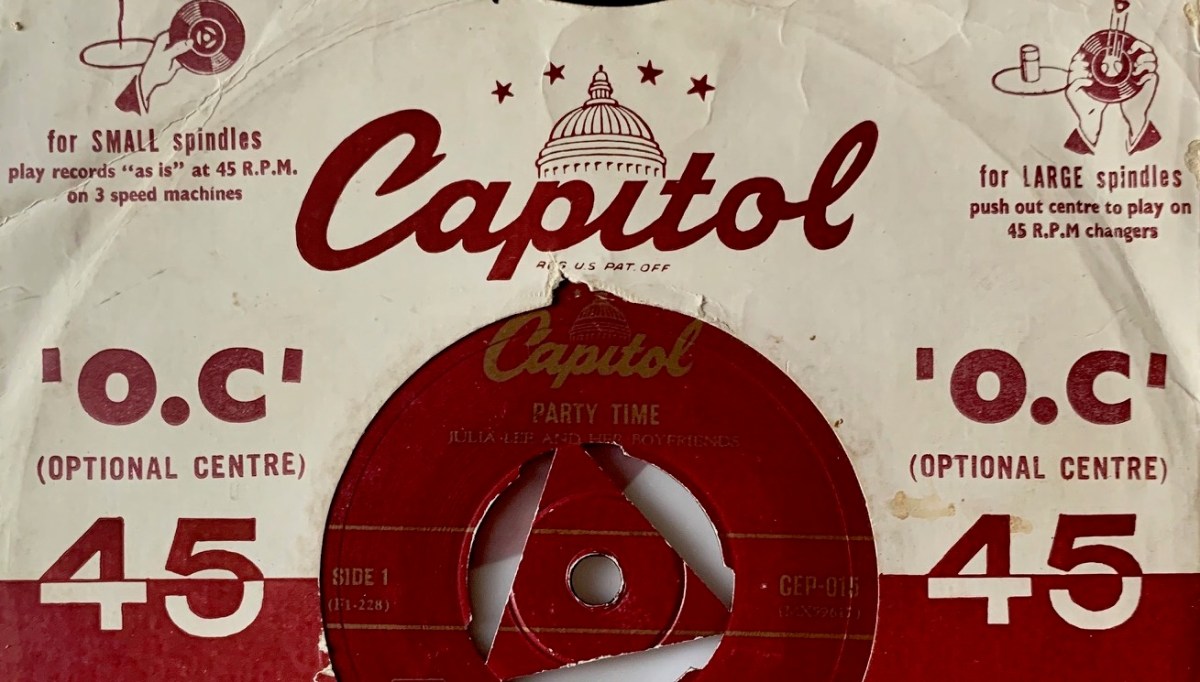
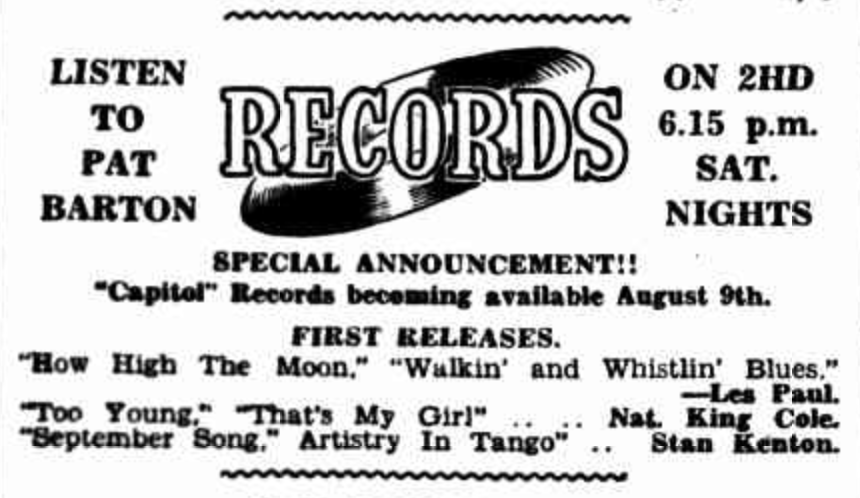
However the 45 didn’t take off right away. Writing on the 13th April 1954 Gil Wahlquist noted that “radio stations in South Australia are not installing three speed machines and that is holding up the development of the 45 rpm market. At some stations, including the ABC said Wahlquist, “the playing of 45 rpm discs is a ‘special’ job, and not for the ordinary shift rostered announcer, who spins the majority of the discs you hear on air.” Wahlquist also writes that Capitol’s policy for issuing 45 rpm is that they don’t duplicate music issued on other speeds. Additionally, he flagged plans by EMI to begin issuing English pressed 45s in the next two or three months. Ultimately he concludes “although it is languishing at the moment, the 45 business is no flash in the pan.”
EMI/Columbia/HMV Release The First 45rpm Single Play Discs
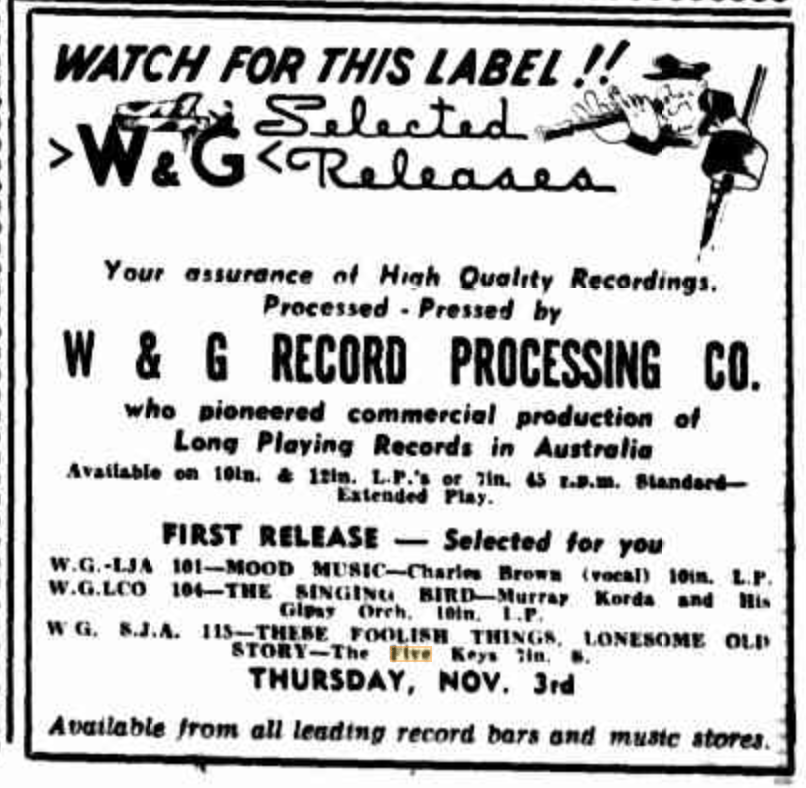
Ads for the first HMV & Columbia 45 rpm Microgroove records were appearing in the papers by August 1954. While Capitol and Nixa focussed on the extended play format, E.M.I’s initial releases were the earliest 7” single play records to become available in Australia.
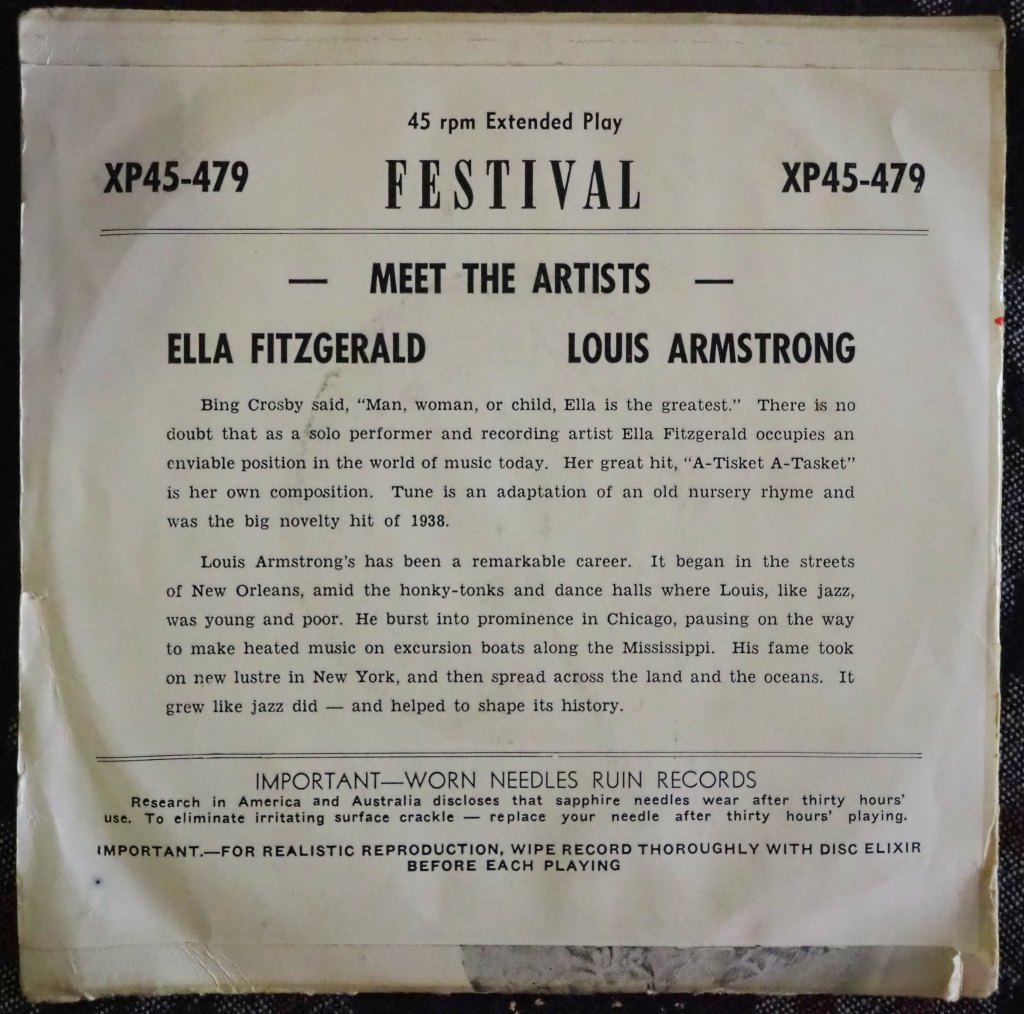
By Autumn 1955 45rpm records had been around for almost 18 months and yet no company had issued one by an Australian artist. Festival were the first to do so. As had been the case with the first Festival release in 1952, the first 7” featured the label’s music director Les Welch. Les Welch and his Orchestra (XP45-624) and Les Welch and His Boogie Woogie Quartette (XP45-626) were the initial offerings. They were soon followed by Tess & Flip Carbine – Wagon Wheels (XP45-633) in May 1955, and the Gus Merzi Quintette – Dizzy Fingers (XP45-656) in June. All four were extended play discs.
Interestingly, the songs were featured in two very different films which proved to be among the most popular with Australian audiences over the next 6 months, and it is likely this also played an important part in their recognition. Rock Around The Clock Was featured in an expose of rebellious youth culture called Blackboard Jungle, while A Man Called Peter was the title song for a film about a Scottish man who received a calling from God and became Chaplain of the U.S senate.
Rock Around The Clock
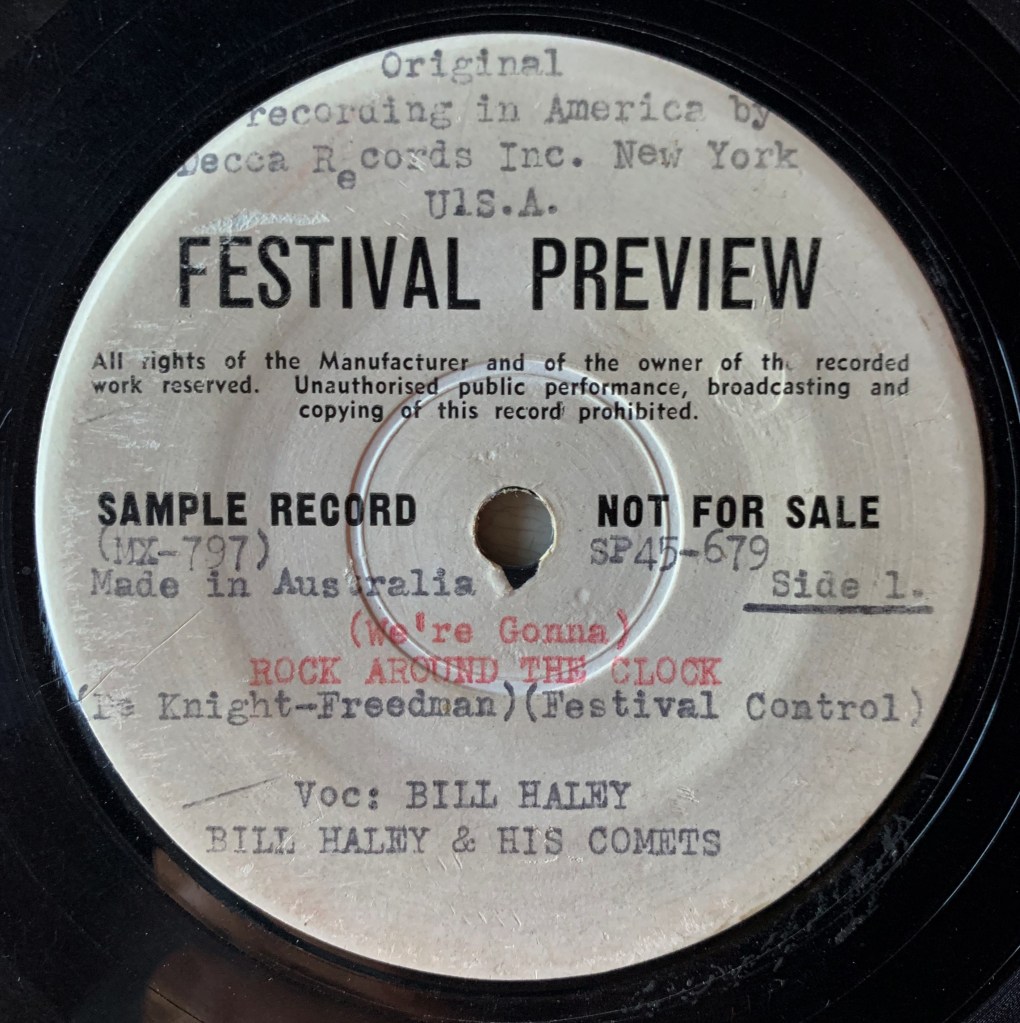
While it’s well known as a classic of rock and roll today, Rock Around The Clock didn’t grab everyone’s attention upon its release. Presenting the A.B.C’s jazz program Tempo Of The Times in July 1955, Alan Saunders played the records with the back announcement ‘That recording was played by Bill Haley and his Comets, and it will be all right with me if they don’t come around for another 70 years.” Others got it right away though and two weeks later Geoff Brooke, writing in his On The Grapevine” column in the Argus, reported on the new American popular music trend of ‘rhythm and blues’ which has the “whole band swinging a series of repetitious phrases, while a tenor saxophone honks away wildly over them.” Brooke cited Rock Around The Clock as a good example of the style, before sharing that the single was currently popular and that Colin Canning at Loel’s Rhythm Corner in Melbourne had reported selling 42 copies in just one hour the previous week. By the 20th August 1955 stories were being published that no single before Rock Around The Clock had sold so proficiently. A review in the Argus stated that the single has already sold 10,000 copies in Melbourne alone.
Rock Around The Clock Sample Record
First Pressing of Rock Around The Clock (note: publisher is Festival Control)
A noteworthy aspect of Rock Around the Clock is the different ways in which people tried to describe it. On 13th August 1955, Bill Patey wrote about the “Rock Around The Clock brand of jazz” that should have appeared in the film The Wild One (as opposed to the west coast jazz it utilised). A later review by Patey described it as “another variation on the hackneyed Shot Gun Boogie chord progression”, while another August 1955 newspaper column recounted a call to the Festival offices by a woman who was inquiring whether or not it could be considered a lullaby. By September, columnist Geoff Brooke was identifying it as rhythm and blues and predicting that it wouldn’t last long as a popular form of music.
Of course it did last and ultimately Rock Around The Clock sold over 140,000 copies and spent six weeks at number one according the Kent Music Report.
A Man Called Peter
A Man Called Peter premiered in Australian cinemas in July 1955. It proved to be a very popular film in the second half of 1955 and into 1956. When it opened at the Regent in Melbourne in January 1956, Hoyts offered a money back guarantee to film goers and it was claimed that this was the first time such an offer had been made.
The first hit 7″ by an Australian act in 1955
The theme song was cut in the U.S by vocalist Bill Farrell, whose version was being marketed in Australia as a 78rpm in early August 1955 on Esquire-Mercury. However, as they had often done before, Festival decided to cut a local version with vocalist Daryl Stewart. Les Welch did the arrangement, Wilbur Kentwell played organ and he was accompanied by trumpeter Dick McNally. By October 1955 it was listed as a best seller.
As sales for these and other popular releases continued, it was becoming increasingly obvious that the record buying public were pleased with the 45rpm format, either as extended or single plays. This resulted in more labels issuing their own 7″ records.
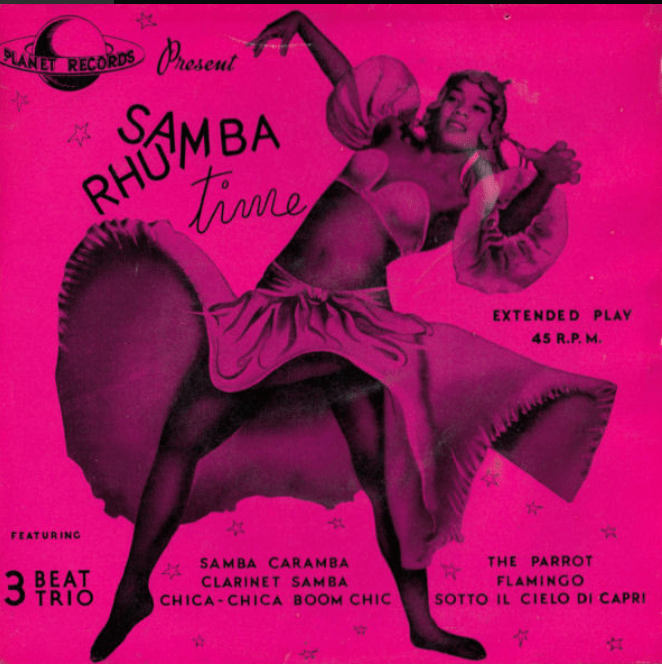
Further Australian innovation with the 45 was announced by Planet Records in February 1956 as they began to promote their first extended play discs with six songs. Bob Crawford and Marcus Herman had developed a ‘secret process – claimed to be unique in the world’ for putting three tracks on each side of a 7”. The opening release to feature the technological advance was Samba-Rhumba Time – The Three Beats (PZ-001).
The First Planet EP Featuring 6 Tracks
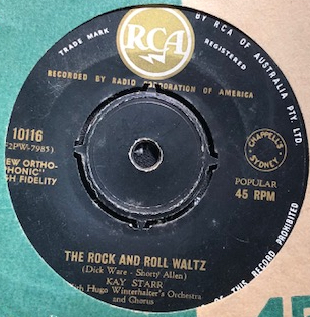
Perhaps the last, but by no means least, notable entrant into the 7” market was Amalgamated Wireless of Australia (A.W.A) who secured the exclusive rights to distribute the American R.C.A label. R.C.A had signed Elvis Presley in November of 1955 and already had established stars like Mario Lanza, Perry Como and Eddie Fisher on their books. In late May A.W.A began to issue 45s with initial releases including Eddie Fisher – Dungaree Doll (10115) & Kay Starr – Rock ‘n Roll Waltz (10116). Heartbreak Hotel, Presley’s first 45 release in Australia followed in July. Despite reviewer Bill Patey describing it as “a grotesque grasp-and-groan opus” the single represented the first of many hits for Presley over the decades that followed. Success that helped cement the 7” 45rpm in the hearts of record buyers across the country.
Early RCA 45s
I’ve tried to use as many resources as I could find to inform this story. Thanks to those collectors (Martin, Kevin, Clem & David among others) who helped me with a couple of the images I was chasing. If you have additional information that would improve it’s scope or accuracy then please leave a comment or get in touch via the contact page. It’s always great to hear from fellow collectors.
If you enjoyed reading then please share with your friends and sign up for email alerts from Sonic Archaeology (back at the top of this page) whenever something new is published.


















 Sonic Archaeology